MEKing Progress: Understanding MEK and FAK Inhibition in Low-Grade Serous Ovarian Cancer
Activity Overview
Treatment planning for patients with low-Grade serous ovarian cancer (LGSOC) presents a unique clinical challenge that requires nuanced decision-making, careful treatment sequencing and proactive management of therapeutic-related toxicities. This engaging activity is designed for providers that treat patients with gynecologic malignancies seeking to deepen their understanding of the evolving therapeutic landscape in LGSOC. Participants will explore new and emerging data, shaping frontline treatment strategies, gain clarity on the role of endocrine therapies and hear experts discuss practical guidance for optimizing patient outcomes through effective side-effect management, specifically MEK inhibitor related toxicities. Learners will strengthen their ability to interpret emerging evidence by listening to expert led sessions including real-world patient scenarios which facilitate discussion of different management approaches as we seek to apply personalized treatment therapies for patients with LGSOC.
This educational activity is supported by an independent medical education grant from Verastem.
Target Audience
The target audience for this activity is community and academic gynecologic oncologists, oncologists, advanced practitioners (NP/PA/PharmD), and other providers who treat patients with gynecologic malignancies.
Learning Objectives
- Interpret emerging clinical evidence related to frontline treatment strategies for low-grade serous ovarian cancer (LGSOC) and assess its relevance to the current therapeutic decision-making
- Evaluate the role of endocrine therapies in LGSOC management by identifying key drug-drug interactions, hormones, patient response consideration and evidence base sequencing strategies.
- Understand screening paradigms for identification of KRAS mutations, selection of MEK inhibition treatment regimens and how to apply best practices for managing adverse events associated with MEK inhibitors, optimizing treatment tolerance and adherence.
- Understand emerging evidence through case-based discussions that compare expert and peer approaches to therapeutic decision making in LGSOC
Moderator
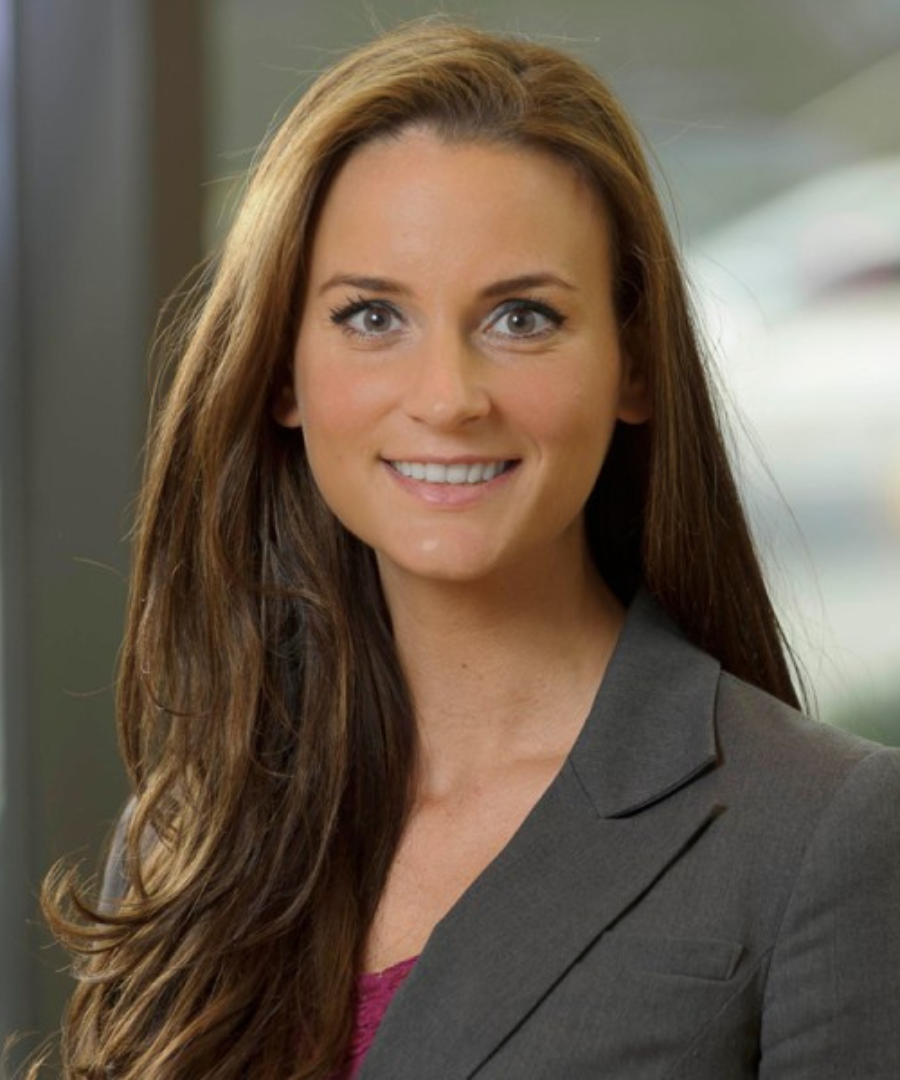
Rachel Grisham, MD
Memorial Sloan Kettering Cancer Center
Faculty
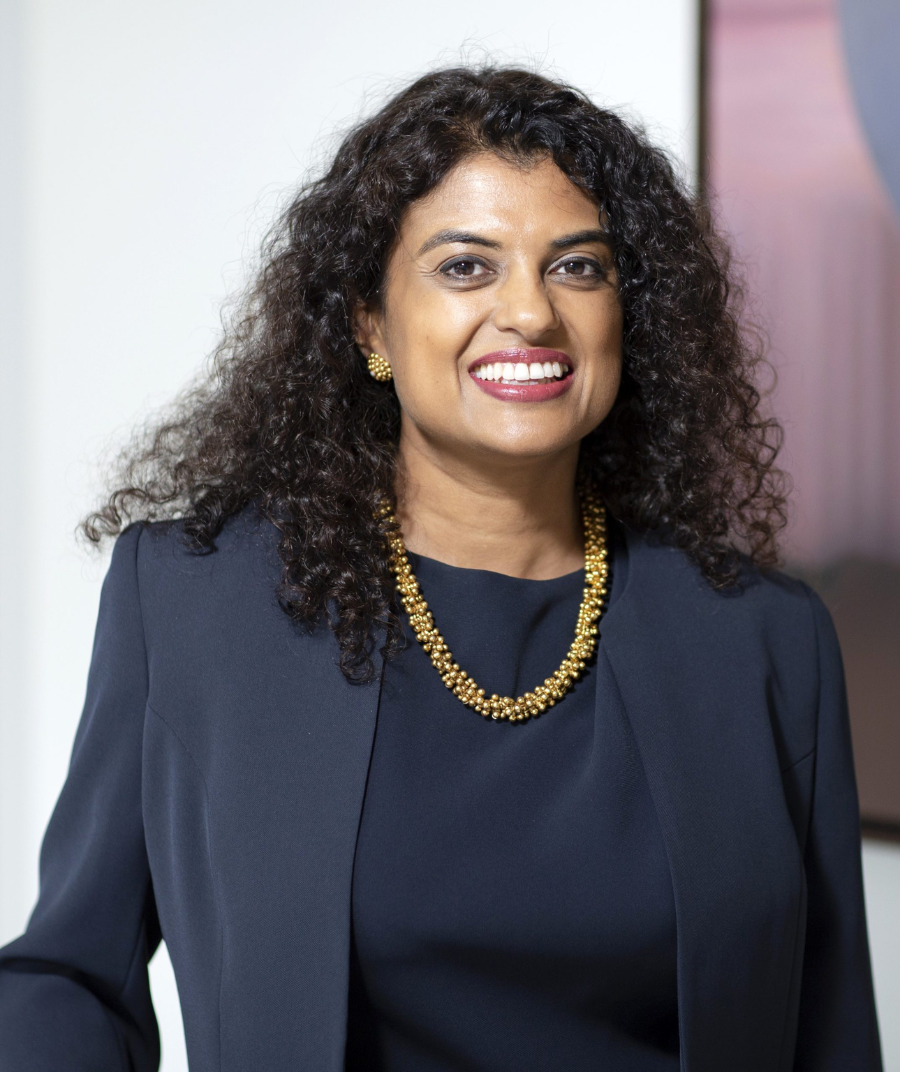
Susana Banerjee, MBBS, MA, PhD, FRCP
The Royal Marsden and the Institute of Cancer Research
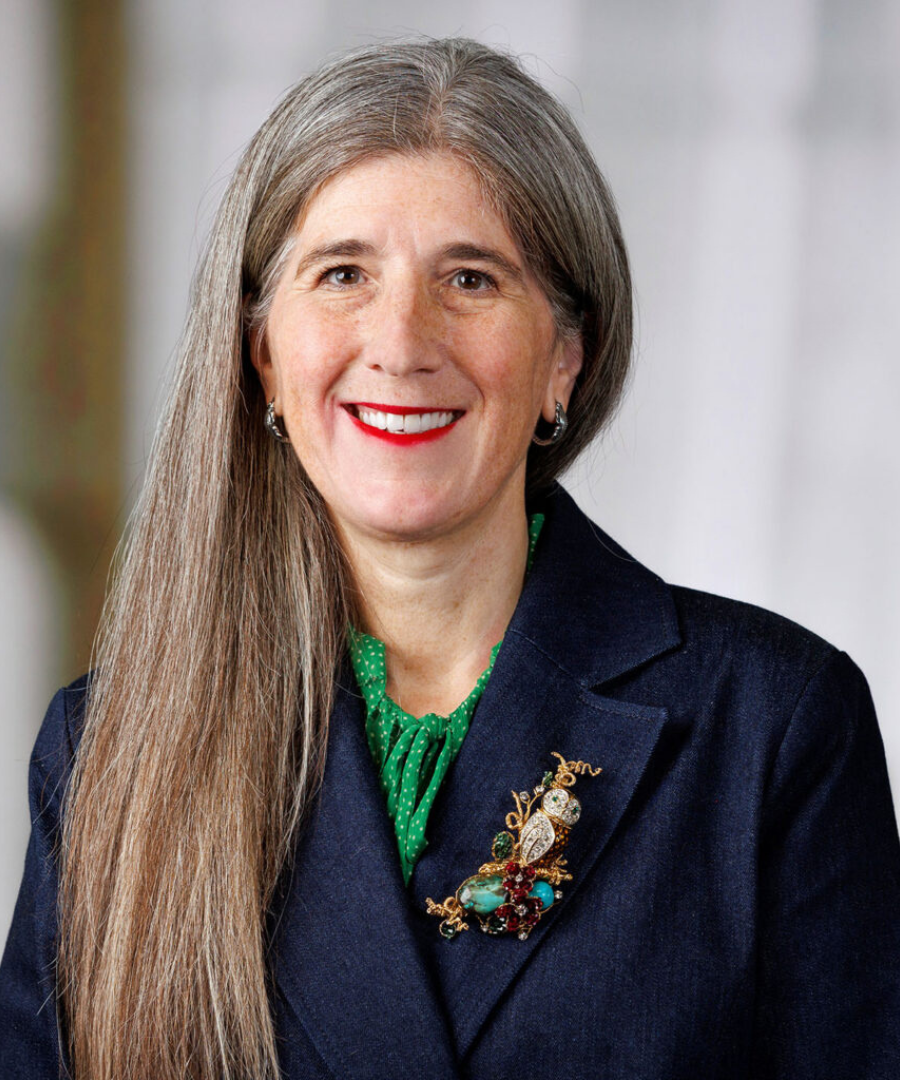
Kathleen Moore, MD
University of Nebraska Medical Center, Fred & Pamela Buffett Cancer Center Omaha
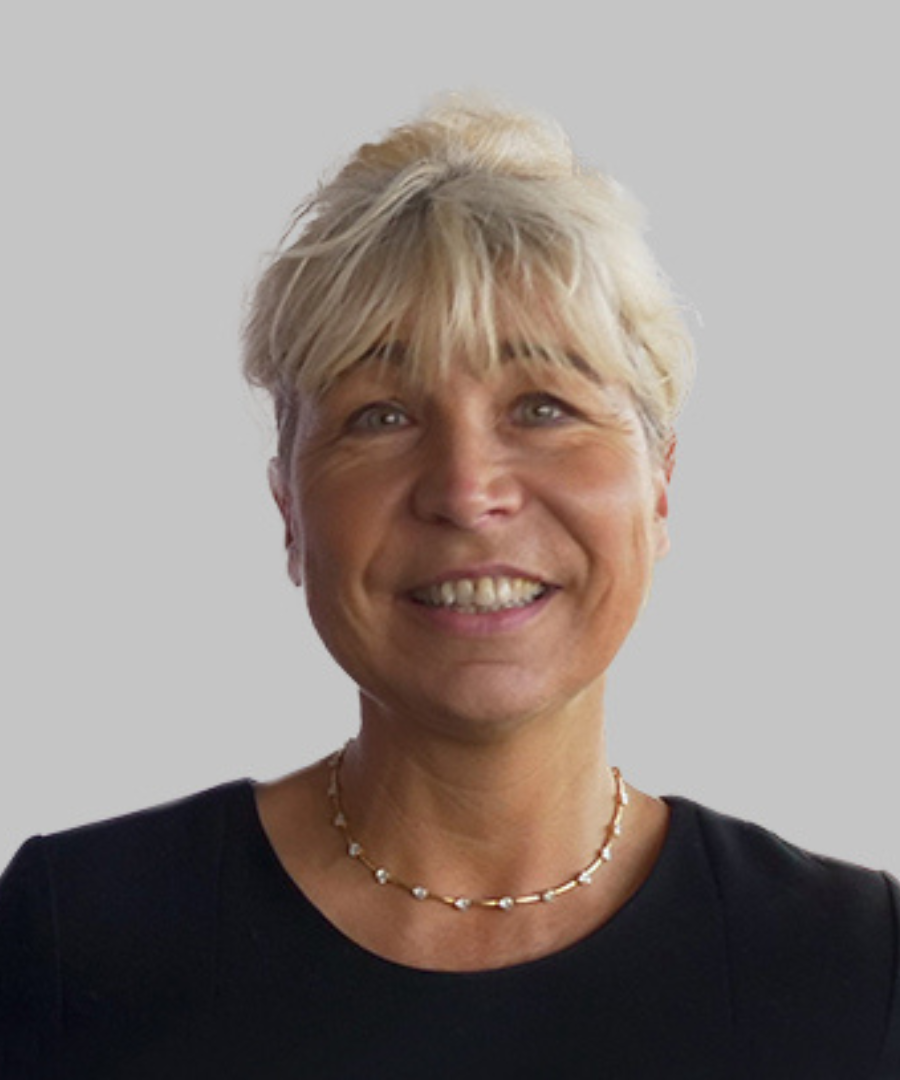
Isabelle Ray Coquard, MD, PhD
Cancer Research Center of Lyon Berard
Agenda
Rachel Grisham, MD
Memorial Sloan Kettering Cancer Center
Susana Banerjee, MBBS, MA, PhD, FRCP
The Royal Marsden and the Institute of Cancer Research
Kathleen Moore, MD
University of Nebraska Medical Center, Fred & Pamela Buffett Cancer Center Omaha
Isabelle Ray Coquard, MD, PhD
Cancer Research Center of Lyon Berard
All Faculty
All Faculty